Dengue Prevention for Babies Ages 0-1: The Complete Guide for New Moms
Dr. Jose Ramon Cruz
Emergency Pediatrics · Manila Doctors Hospital · Medically reviewed · March 21, 2026
Dengue is dangerous at any age but especially in infants. Their immune systems are immature, they cannot communicate discomfort clearly, and warning signs can be easily missed. Here is how to protect your baby during every stage of the first year.
1Why Infants Are Especially Vulnerable to Dengue
Infants under one year old are at heightened risk from dengue for several reasons: immature immune systems, inability to communicate discomfort, and subtler warning signs than older children. The Aedes aegypti mosquito is present throughout the Philippines year-round and particularly abundant during and after the rainy season from June to November. Urban areas like Metro Manila, Cebu, and Davao see dengue cases in all months due to consistent availability of breeding sites. Babies who are exclusively breastfed receive some passive immunity from maternal antibodies, but this protection is partial, declines over the first months of life, and does not reliably protect against dengue.
2Mosquito Protection Strategies for Infants
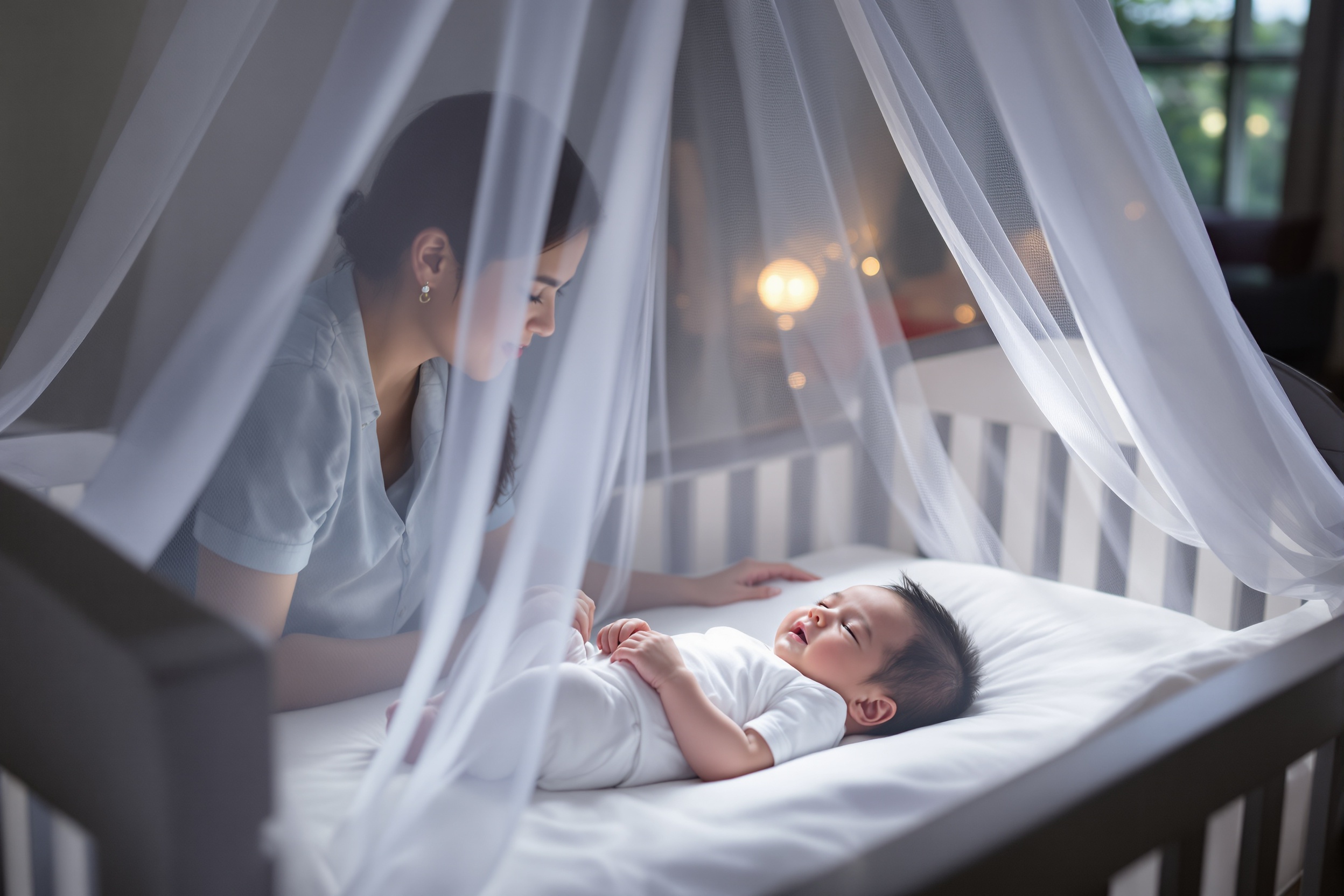
A properly installed mosquito net over the crib is the safest and most reliable protection for babies — ensure it reaches completely to the mattress on all sides with no gaps. Dress your baby in lightweight long-sleeved clothing during peak mosquito hours: early morning six to eight and late afternoon four to six. Light-colored clothing is preferable as mosquitoes are more attracted to dark colors. For infants over two months old, DEET-based repellents at ten percent or lower can be applied to exposed skin — never to hands, eyes, mouth, or broken skin. Apply to your own hands first then transfer to baby's skin. Never use repellents on infants under two months old.
3Eliminating Mosquito Breeding Sites at Home
The Aedes mosquito breeds in standing water — a bottle cap of water is sufficient. Conduct weekly inspection of your home to eliminate all standing water. Common breeding sites in Filipino homes include flower pot saucers, water storage containers without tight lids, old tires, clogged gutters, and water collected in plant leaves like pandan or banana plants. Apply larvicide tablets from your barangay health center to containers that cannot be emptied. Report stagnant water in public areas to your barangay for fogging. Air conditioning significantly reduces mosquito presence — use it during peak hours and ensure window and door screens are intact.
Advertisement
When to See a Doctor
Bring your infant to the doctor immediately if they develop sudden high fever, become unusually irritable or inconsolable, are feeding significantly less than normal, have a flushed red face without cold symptoms, develop any skin rash, or if you are concerned for any reason. Do not wait with an infant under six months who has fever — any fever in this age group requires same-day medical evaluation.
Key Takeaways
A mosquito net over the crib is the safest and most reliable dengue protection for infants.
Conduct weekly elimination of all standing water sources inside and around your home.
Any fever in an infant under six months with no cold symptoms requires immediate same-day medical evaluation.
What I Learned
"I didn't realize the saucer under my potted plant was a breeding site until our barangay health worker pointed it out. After removing all standing water around the house, we haven't had a single mosquito problem inside." — Maricris, mom of baby Liam
Vaccines & Schedules
DOH PH schedule, catch-up doses, free vs private
Nutrition & Feeding
Filipino food guides, baon ideas, picky eaters
Vitamins & Supplements
Iron, Vitamin D, probiotics — what actually helps
500+ questions answered by Philippine pediatricians
Browse All FAQsDoctor's Perspective
Emergency Pediatrics · Manila Doctors Hospital
"The best dengue protection for infants costs almost nothing: a mosquito net and weekly water container checks. I wish every Filipino family knew that. Most dengue cases in babies are preventable."
Read full insightNot Sure What Your Child Has?
Use the KidSafe PH Symptom Checker — select your child's age and symptoms for instant guidance. Free, no sign-in needed.
Check Symptoms NowAdvertisement
Vaccination Visit Essentials
Independently selected by the KidSafe PH editorial team. Available on Lazada & Shopee Philippines.
Vaccine Record Booklet / Organizer
₱120–₱250Keep all vaccination records, dates, and clinic receipts organized. Essential for school enrollment and travel. Widely available at National Bookstore.
Cooling Teether (Post-Vaccine Comfort)
₱280–₱450A chilled teether helps soothe post-injection pain and discomfort at the injection site — especially helpful for babies 4 months and older.
Affiliate disclosure: Some links above are affiliate links. KidSafe PH earns a small commission at no extra cost to you. All products are independently selected by our editorial team.
Related Articles
12 more Prevention articles available
Dengue Fever in Babies: A Complete Guide for Filipino Moms
Dengue is dangerous for babies — their immune systems are immature and warning signs are easy to miss. Learn the red flags and how to protect your infant during every stage of the first year.
Philippines Vaccine Schedule 2026: Complete DOH Immunization Guide
Baby Massage for Filipino Newborns: Benefits, Techniques, and Safety Guide
Eye Health in Filipino Children: Screen Time, Myopia, and Annual Check-ups
Dental Health for Babies and Toddlers: When to Start and What to Avoid